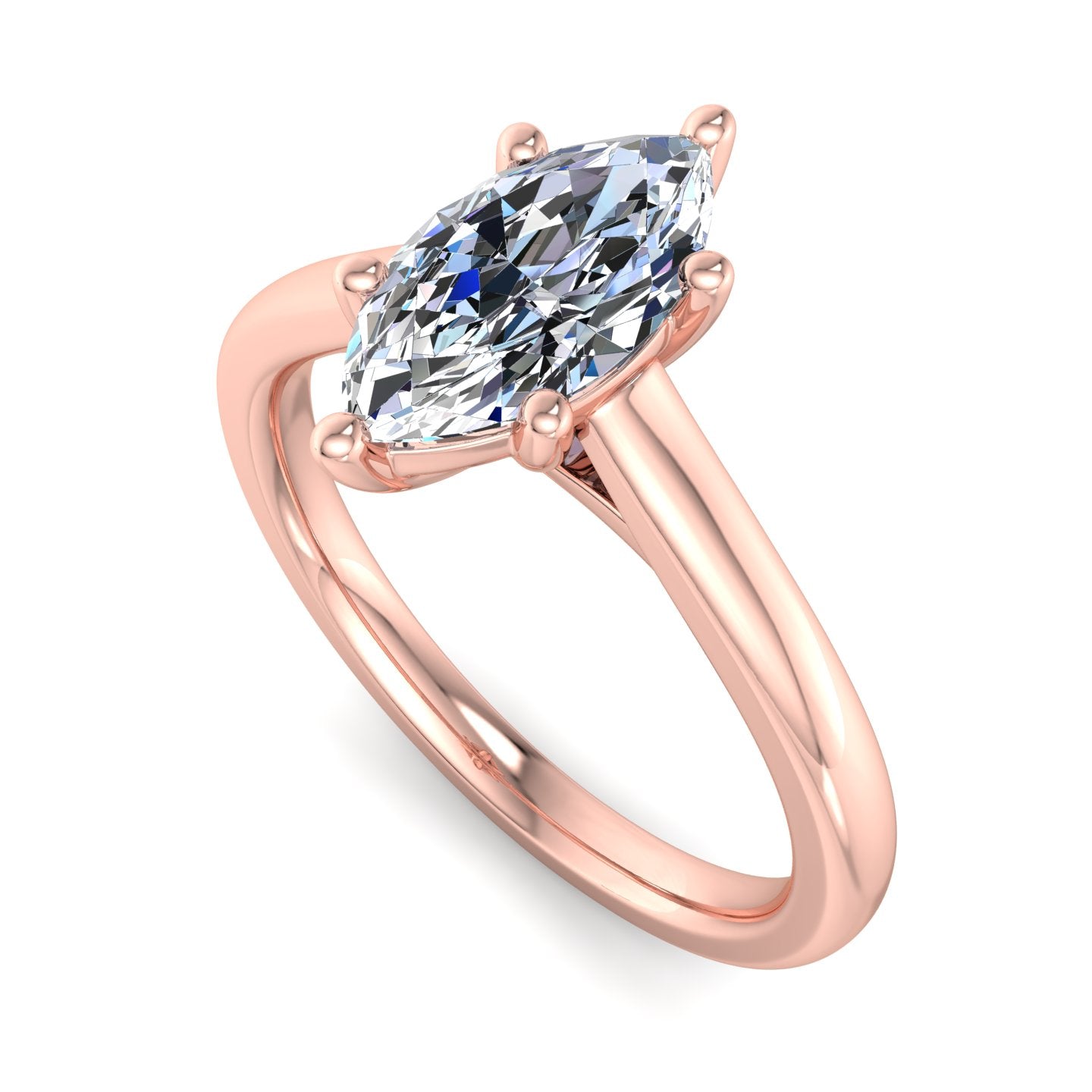
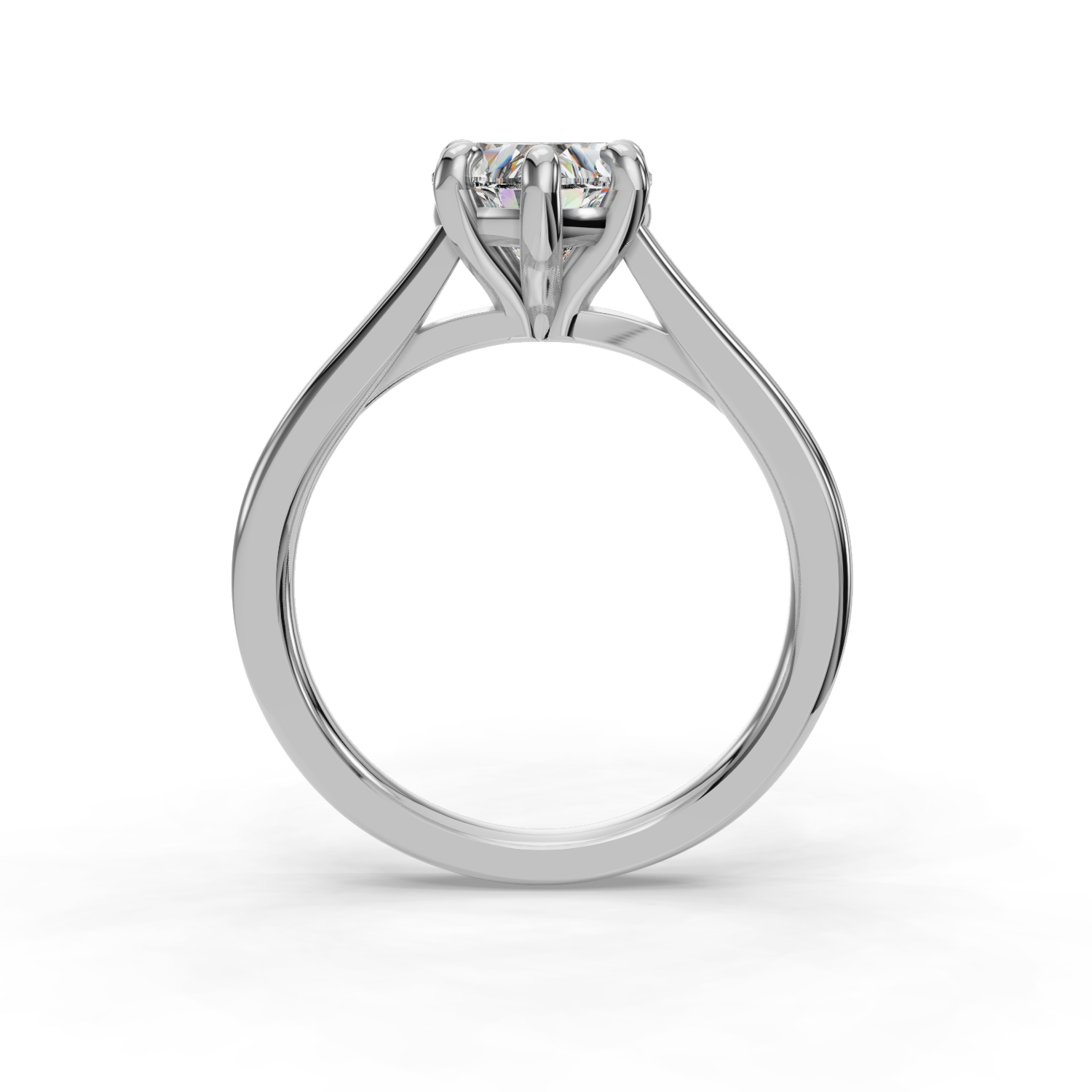
Diamond Cut: The Most Important “C” When Buying a Ring
- Cut is the #1 factor that determines sparkle, brilliance, fire, and the overall “wow” factor of a diamond.
- IGI cut grades (Ideal, Excellent, Very Good, Good) are the industry standard for lab-grown diamonds and the grading system used at Rings.com.
- A well-cut diamond reflects light back through the top, while shallow or deep cuts leak light and appear dull.
- For lab-grown diamonds, IGI is the most consistent, accurate, and widely adopted lab for cut grading.
- An Ideal or Excellent cut often looks larger, brighter, and whiter than a poorly cut stone of the same carat weight.
What is Diamond Cut?

Why Cut Matters Most
IGI Cut Grades (For Lab-Grown Diamonds)
How IGI Evaluates Light Performance
Light Performance Explained (Simple Version)
Ideal Cut
Light enters → reflects internally → returns through the top
Result: maximum brilliance
Too Shallow
Light leaks out of the bottom
Result: watery, glassy look
Too Deep
Light escapes from the sides
Result: dark center (“nail head”)
Cut is literally the difference between dull and dazzling.
GIA vs. IGI: Which Matters for Cut?
How to Shop Smart for Cut
Takeaway
Frequently Asked Questions
What is the most important factor in a diamond’s appearance?
Cut quality. It determines brilliance, fire, and visual size more than any other characteristic.
Should I choose IGI or GIA for grading?
For lab-grown diamonds, IGI offers the most consistent and widely accepted grading. For natural diamonds, GIA remains the preferred standard.
Why does cut affect a diamond more than carat weight?
Cut controls how effectively light returns through the top of the diamond, making it look brighter and often larger than its carat size.
What cut grade should I choose?
For lab-grown diamonds, Ideal or Excellent cut provides the strongest brilliance and most reliable light performance.
Does cut quality make lower color or clarity look better?
Yes. A well-cut diamond reflects more white light, making color appear whiter and minimizing the visibility of small inclusions.